
|
|
||||||||
|
|||||||||





|
DESIGN & INNOVATION,
The term “design innovation” has emerged as a driving force
behind our ground-breaking products, services, and user experiences.
It goes beyond aesthetics, reaching into the very core of
problem-solving and redefining the way we approach design
challenges. In this comprehensive exploration, we delve into the
essence of designing innovative concepts, its impact on
customers, brands and how organizations can harness its power to
shape brand visibility by engaging customer interest. Since
visual art need innovation towards creativity and power of
creating presentable publishing material, that attracts its
viewers, we here at CRISP MEDIA believe in creating user centric innovative design solutions
that attract visibility and give value for money that brands spend
on its products, by attracting more and more viewership at
optimum costs, attracting people towards a brand while they
enjoy to watch and view content and brands. How design
innovation is different from direct advertising, is that a high
end visualisation and creativity not only attract customer
mindset towards a brand, but also lure customer/viewer
intentions towards a brand or product it sees. What is Design Innovation?
Customer
engagement through print media builds trust and boosts brand
recall by offering a tangible, sensory experience that digital
cannot match, increasing purchase intent by 70%. Effective
strategies include using high-quality content, personalized
stories, interactive elements like published material, and
incorporating print into a multi-channel approach.
Key Strategies for High-Engagement Print Media: 1. TANGIBLE PERSONALIZATION : We at Crisp Media use personalized content, personalized offers, and high-quality paper stocks to make customers feel valued and create a memorable, premium brand impression. 2. CRISPY HIGH VALUE CONTENT : We create useful content like news, fun facts, editorials, or exclusive coupons offers that customers want besides reading crispy content. Content viewership is the sole target, since audience today want not only visual content but also innovative & creative context. 3. TARGET AUDIENCE : Today we believe, people need good content anywhere they live, however, people are overstuffed with digital content, hence wish to see something when they are free, waiting or relaxing. The content which is visible to them in their free time is very crucial, as they not only enjoy content but also remember the brands they watch. 4. EXPERIMENTAL & SENSORY PRINT : We also believe that creating unique textures, varnishes, or scented printing to create an emotional, lasting connection that encourages brand loyalty.
1. TRUST & RELIABILITY : 70% of consumers consider print the most trustworthy form of marketing, especially in a digital-dominated era. We at CRISP MEDIA believe in making high end creative visual products, that are not only engaging and luring, but also enjoyable to access. 2. INCREASED RECALL : Physical, tactile materials are easier to read and retained better than digital ads, which are often overlooked. 3. LONGETIVITY : Print collateral like publishing and print matter, often stays in the memory and at a certain place for weeks, maintaining visibility. It is unique and memorable way that most people like.
4. MULTI SENSORY
VISIBILITY : Print reinforces brand identity and builds
credibility through quality, tangible communication. Since we
make solutions that are not only overlooked, but also unique and
entertaining for the viewers.
WHY PRINTED MATTER STILL POWERFUL Print magazines are experiencing a resurgence as a premium, tangible, and "anti-digital" customer experience (CX) tool in 2026. Unlike the fleeting, ad-heavy nature of digital platforms, a print magazine offers a curated, tactile experience that builds brand credibility, trust, and deeper emotional connections with readers. 1. TACTILE & SENSORY ENGAGEMENT Print engages multiple senses, creating a more immersive experience than a screen. Its not only wide to easy, easily looked and not pushy. A reader or viewer can easily control to what he/she sees and want to see. 2. PHYSICALITY High-quality paper, weight, colors and in hand physicality makes it unique and attractive. It clearly gives an edge to viewer over other rushy methods that include mobile and television. 3. ACTIONABLE TOUCH-POINTS Readers can tear out recipes, coupons, or inspiration, turning a passive reading experience into an active one. He is in is soft comfort when reading or viewing and article or visual. Hence its not only memorable but also entertaining and relaxing. 4. LEARNING BACK EXPERIENCE It offers a break from the digital noise, allowing readers to relax and consume content without notifications or algorithms deciding what they see. Most people today are fed up of digital content, since its overwhelmed with ads, notifications etc, and the important content is almost not visible. 5. CREDIBILITY & CONTENT CURATION Printed magazines are often perceived as more reputable and trustworthy than digital content. Its fixed and limited, hence reader gives credibility to what he sees. 6. JOURNALISTIC QUALITY Articles are seen as more authentic and often feature in-depth, long-form content rather than short, clickable headlines. When it comes to the comfort of accessing information, digital content is very repeated and misinformed. However when you read a magazine article, you feel it authentic and easy to grasp. 7. CURATED ENVIRONMENT Brands create a dedicated space in their own image, curating an environment that reinforces brand identity through photography, design, and editorial voice. 8. HIGH QUALITY CONTENT The visual experience—from layout to imagery—reflects premium quality, elevating the brand's image. Paper advertisements are not only memorable but also is lovable, since user feels not controlled by the advertiser. 9. PERSONALISATION Print allows for personalized marketing that makes customers feel valued. Ads does not interrupt reading experience, viewable matter and content in continuation. 10. TARGET CONTENT Magazines can be tailored to specific customer segments, offering them relevant, high-value information. Not only it feels authentic and relevant to see content and ads in print media, it also covers lot of segments like cooking, travel and hobbies. 11. COLLECTOR's ITEM Many readers keep, collect, or display magazines (like coffee table books), giving the brand a much longer lifespan and presence in the customer's home. Its generally not skipped or lost and can be looked back as and then the same place. 12. EXCLUSIVE ACCESS Print also acts as a "closed" content strategy, providing exclusive, high-value information only available to loyal customers or subscribers. For instance, hotel customers like hospitality and entertainment, where as gym and spa like health related topics. 13. BRIDGING DIGITAL & PHYSICAL Print and digital are most effective when combined, with print acting as a "hook" for further digital interaction. Integrating QR codes or augmented reality on pages allows for a seamless transition from paper to online stores or exclusive digital content. 14. INCREASE DIGITAL TRAFFIC
52% of readers
report going online to find more information after seeing an
advertisement in a print magazine. Print media acts as a bridge
between customer and brand digital presence. Key CustomerXperience Benefits of Print Magazines 1. Higher Engagement: Longer attention spans compared to fleeting digital content. 2. Stronger Brand Recall: Tactile experiences lead to better memory formation and emotional connection.
3. Increased
Loyalty: Regularly delivering a high-quality physical
product builds a stronger, more lasting connection than
digital-only interaction.
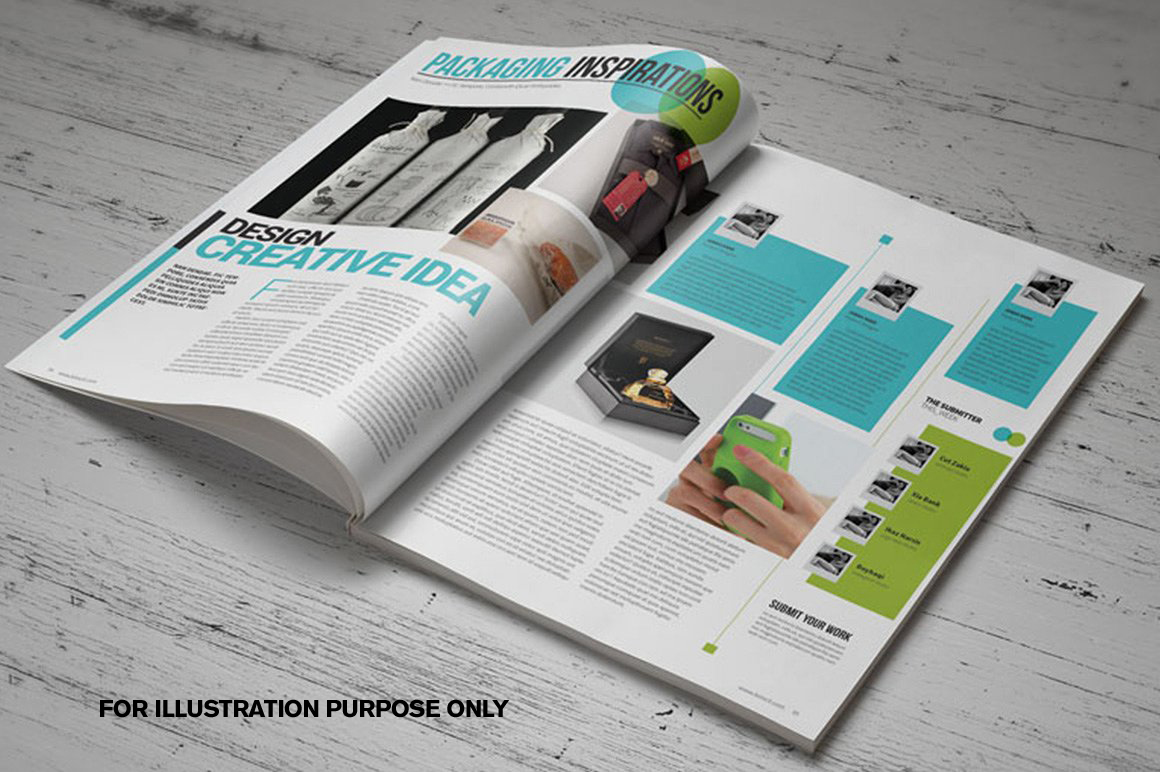
Print publishing magazines for advertising Print publishing magazines for advertising provide high-impact, targeted visibility to specific audiences through premium, tangible formats. Print magazine advertising offers powerful branding benefits by providing high-quality, tangible visibility that builds trust, credibility, and long-lasting engagement, often surpassing digital platforms in brand recall. Magazines target specific niche demographics, ensuring high-impact messaging for luxury, lifestyle, or specialized business services.
1. Higher Credibility and Trust: Appearing in a professional print publication increases a brand's prestige and credibility compared to online ads. Readers trust printed content more, which transfers to the advertisers since it is high end editorials and visuals. 2. High-Impact Target Marketing: Magazines allow for precise targeting of specific niche demographics, ensuring your message reaches the right audience, whether they are hobbyists, professionals, or potential luxury buyers. 3. Unmatched Brand Recall and Tangibility: Print media enables up to 77% brand recall because the brain recalls words on paper better than digital screens. The tactile, sensory experience makes ads more memorable, since they look wide and presentable with good quality. 4. Long Shelf Life and Frequency: Unlike fleeting digital impressions, magazines are often kept, displayed on coffee tables, or kept in waiting rooms, providing continuous, long-term exposure to the brand. Magazine acts as a quality and distinctive method of visual display that is not only simple yet very effective way to emphasize something on the mind of its viewer. 5. Visual Impact and Creativity: Magazines offer high-quality printing capabilities, allowing for visually striking ads that can showcase a brand's visual identity, luxury status, or product quality effectively.
6.
Complementary Digital Integration: Modern print campaigns
connect to the digital world using QR codes to drive online
traffic and measure ROI. When to Use Print Magazines Print is ideal for creating a lasting brand image rather than immediate short-term sales. It is particularly effective for luxury goods, fashion, business-to-business (B2B) services, and local niche marketing.
Print
media offers unparalleled branding benefits by providing
tangible, high-trust, and memorable advertising experiences that
digital platforms cannot match. Key benefits include enhanced
credibility, increased long-term recall, superior targeting for
local audiences, and a high return on investment (ROI), making
it a powerful tool for brand building. Key Branding Benefits of Print Media 1. Increased Credibility and Trust: Print media is often seen as more trustworthy than digital ads, allowing readers to associate high-quality, physical publications with brand reliability. 2. Tangibility and Engagement: Print ads can be felt, touched, and held, creating a tactile experience that leads to higher engagement rates, as readers often spend more focused time with print media than skimming websites. 3. Long-Lasting Recall: Printed materials can be kept, shared, and re-read, resulting in a longer-term impact on brand awareness compared to fleeting digital ads. 4. Reduced Distraction: Unlike online ads, print ads do not suffer from banner blindness or digital distractions, allowing the brand message to stand out more effectively.
5. High
Return on Investment (ROI): Research shows that print
advertising can deliver a higher ROI compared to purely digital
campaigns, often acting as a high-quality bridge between
physical and digital spaces.
Visual
design in print—using consistent logos, typography, and color
palettes—significantly boosts brand visibility by creating
memorable, professional first impressions that differentiate a
company from competitors. It builds trust, fosters emotional
connections, and ensures brand recognition across physical
materials, leading to higher customer engagement and recall. Key Benefits of Visual Design in Print for Brand Visibility 1. Instant Recognition & Cohesion: Consistent branding on print media and signage helps customers identify the brand instantly. This repetition strengthens brand memory and awareness. 2. Professional Credibility: High-quality printed visual design convey professionalism and quality, which consumers often associate directly with the quality of the product or service itself. 3. Tangible Sensory Experience: Unlike digital ads, printed visual materials have a physical presence, creating a tactile, sensory experience that fosters a stronger, long-lasting emotional connection and brand memory. 4. Improved Differentiation: Strategic visual art design—unique layouts, colors, and imagery—makes a company stand out from competitors in a crowded market. 5. Lasting Presence: Printed visual content in magazine can stay on desk for weeks, providing long-term visibility that digital ads cannot match. It also creates an excitement to its viewer for the next edition to come, which will contain new content and new brand ads. 6. Clear Communication: Effective design elements (typography, hierarchy) quickly guide attention, allowing a brand to communicate its message and values rapidly and effectively.
Visual
design enhances brand visibility by creating a consistent,
memorable, and recognizable presence across all platforms, which
can increase brand recall by up to 80%. By employing unique
logos, colors, and typography, businesses differentiate
themselves from competitors, establish credibility, and build
emotional connections, leading to higher customer loyalty and
easier recognition in crowded markets. Key Benefits of Visual Design for Brand Visibility 1. Instant Brand Recognition: Consistent visual elements (logo, typography, color palette) across all platforms—social media, websites, and packaging—ensure customers instantly identify the brand. 2. Competitive Differentiation: In crowded markets, a unique aesthetic makes the brand stand out from competitors, making it easier for customers to recall and choose the brand. 3. Builds Trust and Credibility: A professional and polished visual identity conveys that a brand is established, reliable, and trustworthy, which attracts and retains customers. 4. Enhanced Customer Engagement: Visually appealing content, such as infographics and well-designed social media posts, captures attention faster and encourages engagement, which is essential given that 55% of first impressions are visual. 5. Emotional Connection and Storytelling: Visuals evoke feelings of stability, excitement, or friendship, helping to build a stronger emotional bond with the audience. 6. Improved User Experience (UX): Good design on websites simplifies user journeys and keeps users engaged, which improves brand perception and reduces bounce rates. 7. Consistency Across Channels: A unified visual strategy—rather than disjointed, repetitive elements—fosters brand loyalty and ensures the company is recognizable everywhere. 8. Spent once viewed regularly: A magazine page is once defined and advertised page. I does not need to repeat ads as in digital content. Its not only unique for viewers, but also easy to manage by brands, giving excellent visibility with one time placement.
Visual
design for brand visibility in magazines requires a strategic
blend of consistent branding elements, high-impact imagery, and
intuitive layout design to stand out in a crowded, tangible
format. Successful magazine design, often featuring a strong
visual identity , acts as a brand ambassador, creating an
emotional connection with readers.
Developing lucrative content for magazines requires blending
high-quality editorial with strategic branding, focusing on
niches that advertisers value, such as finance, luxury
lifestyle, technology, and specialized hobbies. Successful,
high-earning content is often driven by deeply researched,
unique insights rather than generic topics. Key strategies we develop for high-value magazine content 1. High-Value Content Strategies : We at crisp media focus on topics with high-spending audiences, such as specialized sports (e.g., rock climbing), luxury travel, or niche business sectors. 2. Evergreen & In-Depth Features: We create content—timeless, high-quality, long-form investigative articles that remain relevant for years, making the magazine a collector's item and longlasting memorable experience for the reader. 3. Actionable Advice: We develop creative "how-to" articles, expert reviews, and buying guides that solve specific problems for readers, with added information therein. 4. Visual Storytelling: To fulfil this we use high-quality photography, infographics, and data visualization to break up text and increase reader engagement. A mix blend of topics and content is the key to our strategy. 5. Sponsored Content & brand visibility: We partner with brands for sponsored articles or special sections, blending native advertising seamlessly with editorial.
6. Brand Marketing:
As a process for content rich useful information, we integrate
affiliate links into buying guides, reviews, and product
roundups, allowing the crispy brand visibility. Enhancing Engagement & Readership 1. Developing a Content Waterfall: Repurpose long-form articles into smaller content pieces for a magazine to build a "waterfall" of engagement. 2. Building a Strong Brand Persona: Establishing a clear content message and consistent visual identity to foster trust and loyalty in the minds of its viewers.
3. Using
Data-Driven Insights: Analyze reader behavior, such as scroll
depth and time spent, to understand what content drives the most
engagement. Here are the most lucrative, engaging content types based on current industry trends: 1. High-Value "Actionable" Content (Service Journalism) 2. Data Visualization & Infographics: Turning complex data into beautiful, easily digestible visuals that break up text. 3. Photo Essays: High-resolution, artistic photo spreads that tell a story, perfect for travel or culture content. 4. Interactive Digital Features: Utilizing digital tools for embedded video, augmented reality (AR), and "choose your own adventure" style reading. 5. Interactive and Reader-Driven Content : Curating and publishing stories directly from readers. Interactive Polls and Quizzes: Engaging readers directly, often for digital editions, to foster community.
6. Behind-the-Scenes
Access: Content that shows how the magazine is made, creating a
stronger connection with the audience.
Magazine
boost brand visibility by offering high credibility, targeted
reach to niche audiences, and long-lasting exposure due to their
extended shelf life. Leveraging print magazines
through quality visuals, editorial pitches, and strategic ad
placement builds authority, fosters trust, and strengthens brand
recall more effectively than many fast-paced digital platforms. Key Strategies for Magazine Visibility 1. Targetting Niche Audiences: Magazines offer precise targeting, allowing brands to reach specific demographics (e.g., fashion, trade, lifestyle) who are already interested in that content, hence it attracts and satisfies more viewers to the brand content. 2. High Credibility and Trust: Print ads are highly trusted by consumers, creating a credible environment that elevates a brand's public image is likeable by many viewers. 3. Editorial Features (PR): Pitching product stories or founder stories to editors is highly effective. Focussing on relevance to the magazine's theme, providing high-quality, 300 dpi professional images, and aligning with their editorial calendar creates wonders in the minds of its viewers. 4. Extended Shelf Life: Magazines are often saved, passed along, or left in waiting rooms, providing repeated exposure and longer-lasting brand recall compared to digital ads. 5. Visual Storytelling: Utilizing full-page or high-quality photo ads create a lasting impression and establish an emotional connection, especially for lifestyle or fashion products is very effective. 6. Omnichannel Integration: Combining print ads with digital editions, QR codes, and online content to drive traffic and measuring ROI, is also a very highend unique strategy to attract more eyeballs to the ad.
7.
Strategic approach: Researching the audience interest to
understand its audience and themes is important. Ensuring photos are high-resolution (300
dpi) and professional, offering unique content in ads besides
compelling story creates higher impact.
Benefits
of Advertising Ads in Magazines For Brand Awareness
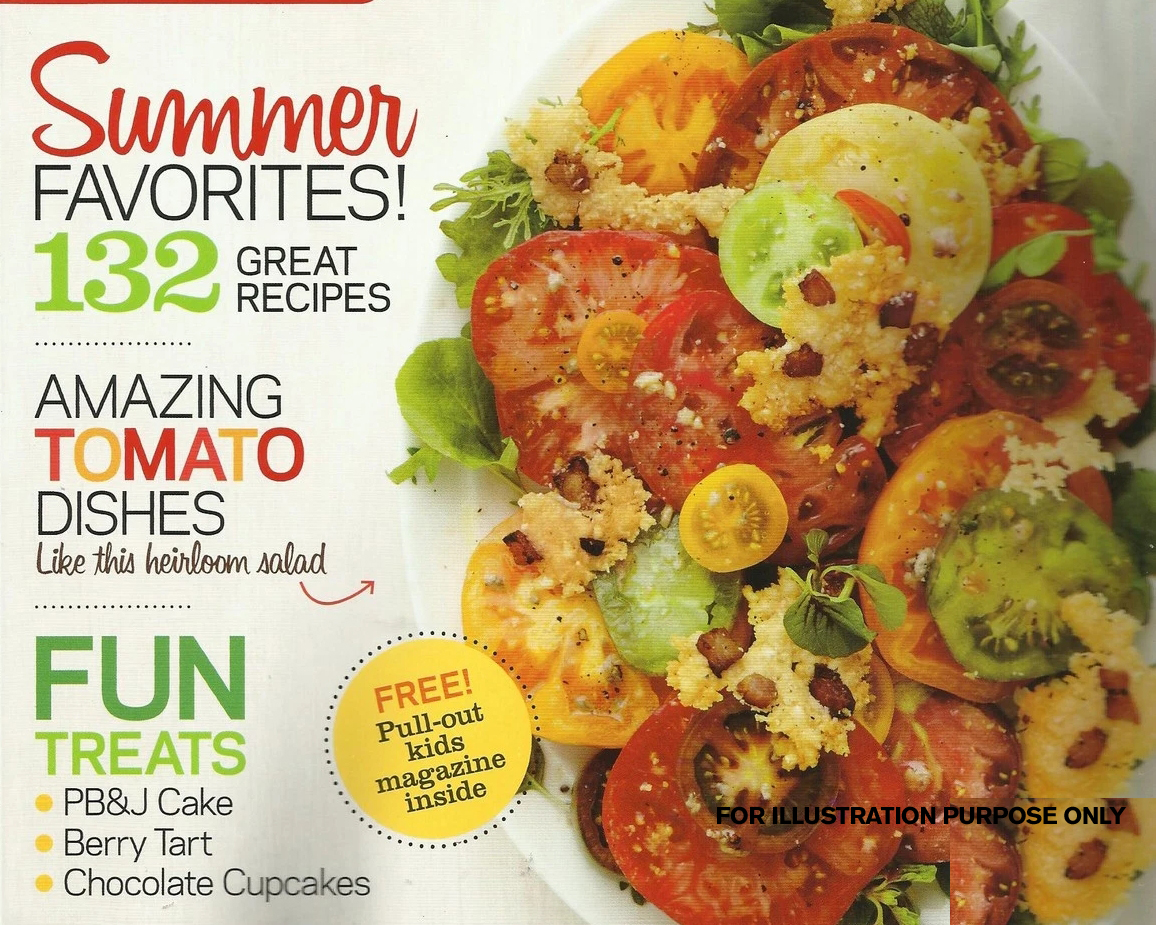
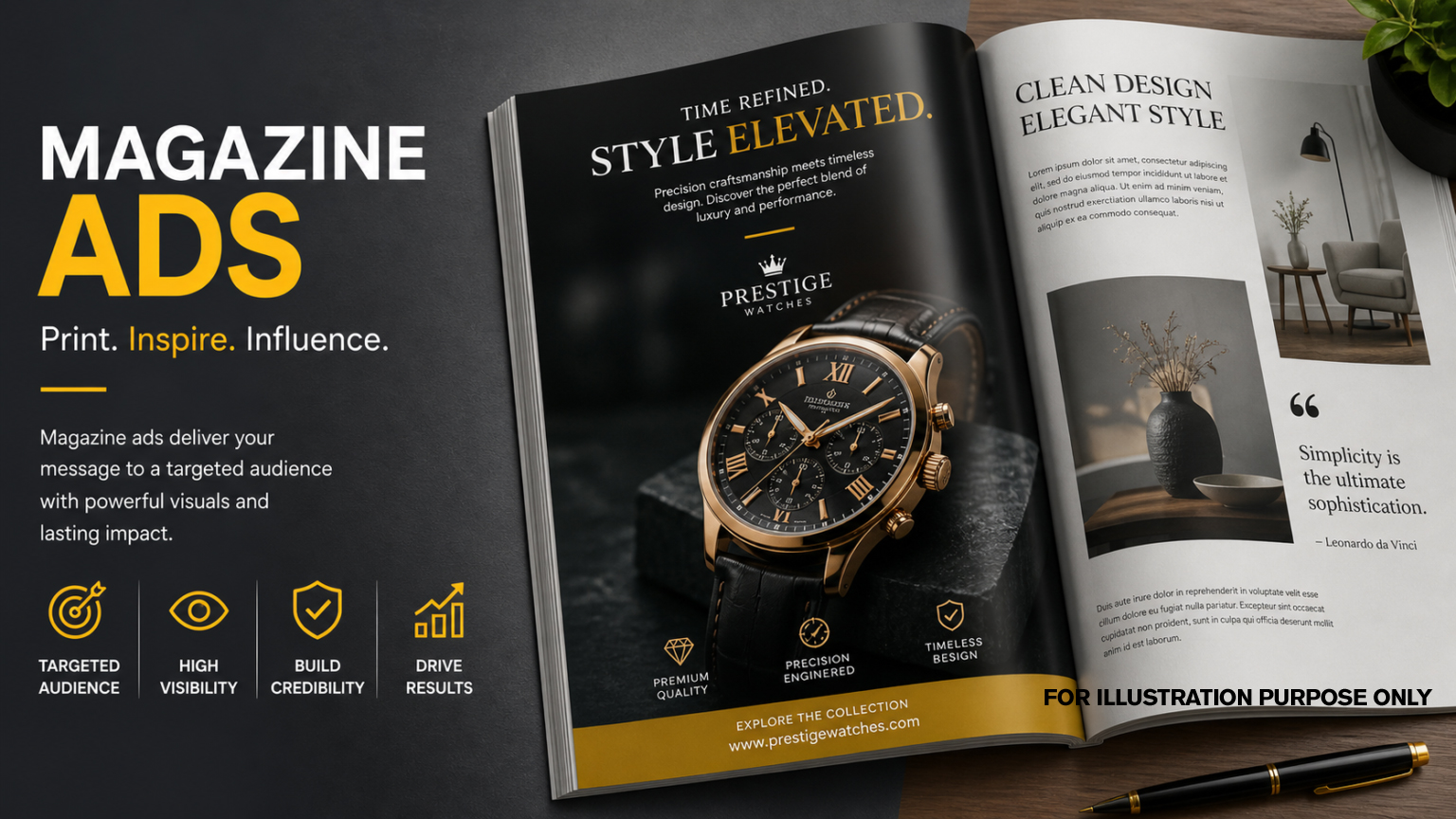
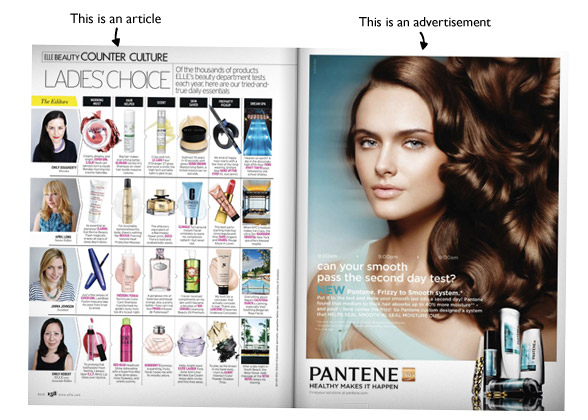
Magazine
Advertisement is a dynamic platform for businesses to reach
their target audiences. Generally found within various types of
magazine, these ads present diverse opportunities to engage
potential consumers.
|















| CONTACT US |
|||
|
|
|

INTERESTED IN WORKING WITH US?
WE HAVE SOME OPEN POSITIONS ! CHECKOUT APPLY NOW IN CAREERS SECTION
COPYRIGHT @ CRISP MEDIA VENTURES 2026